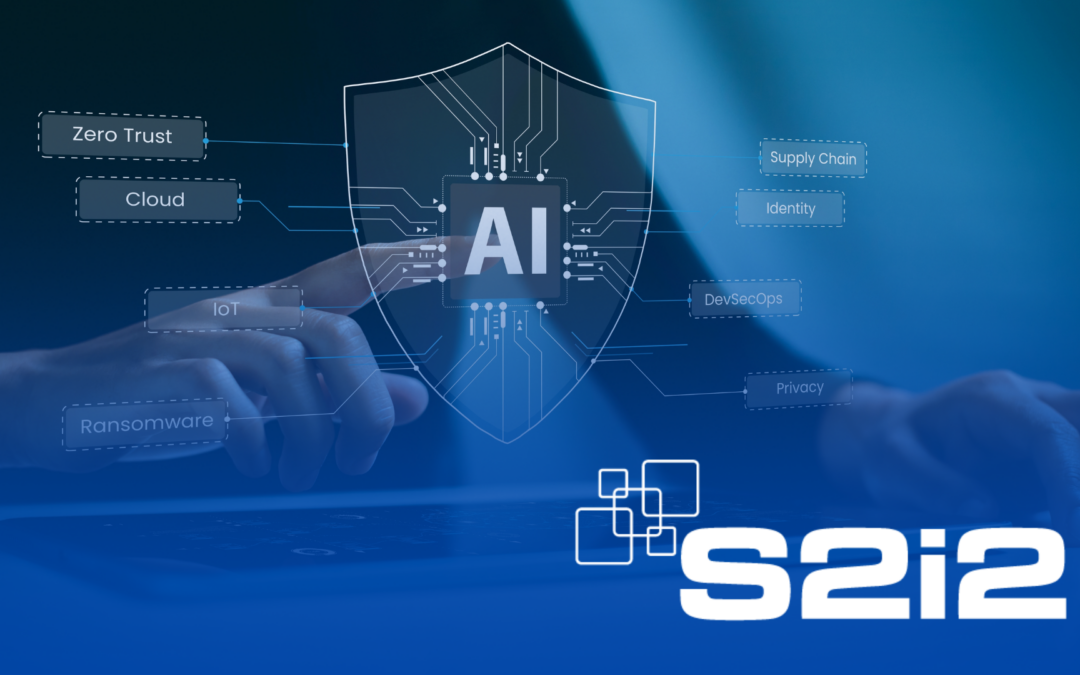

On April 12, the Cloud Security Alliance and SANS released an expedited briefing that should have every leader in the federal space paying close attention. We are officially in the “AI Vulnerability Storm”.
In my previous experience as a federal CISO, we operated on a set of assumptions regarding the time we had to respond to threats. Those assumptions are now effectively extinct. The “Time-to-Exploit” (TTE), which measures the gap between a vulnerability disclosure and its confirmed weaponization, has collapsed to a mere 20 hours in 2026. We are no longer talking about weeks or even days; we are talking about a window that closes in less than a single day.
The Mythos Shift
The catalyst for this storm is Anthropic’s Claude Mythos. This is not just an incremental update. In internal testing, Mythos generated 181 working exploits on Firefox while the previous model, Claude Opus 4.6, succeeded only twice under the same conditions.
Mythos does not just find bugs. It identifies complex, chained vulnerabilities and generates exploits without any human guidance or elaborate scaffolding. This creates a massive structural asymmetry. Attackers are now operating at machine speed, and if your defense is still running at human speed, you have already lost the ground.
What This Means for DoW and Federal Agencies
At S2i2, we are already seeing how these shifts impact our DoW and federal partners. The traditional “patching cycle” is broken. You can no longer assume a patch will be ready or deployed before an exploit is weaponized.
We must move toward a “Mythos-ready” security program. This involves three immediate shifts:
- Adopt Defensive Agents Now: You must point AI agents at your own code and pipelines this week. Across our work with DoD agencies, we have utilized automated approaches to maintain high configuration and deployment compliance. We need that same level of automation in vulnerability discovery.
- Harden the Environment: The basics have never been more critical. Egress filtering, deep segmentation, and phishing-resistant MFA increase the “cost” for an AI attacker.
- Establish Innovation Governance: We need a cross-functional mechanism to fast-track defensive technologies. Our strategic consulting work for federal organizations focuses on exactly this: aligning IT roadmaps with the reality of 2026.
From Burnout to Building
I understand the human cost of this transition. Security teams are already at capacity, and the deluge of AI-generated vulnerability reports can feel overwhelming. Burnout is now a direct operational risk.
But there is an opportunity here. By adopting coding agents, every role on the team becomes an “AI Builder”. We can automate the repetitive triage and focus our expertise where it matters most: containment and resilience.
The “AI Vulnerability Storm” is a systemic challenge, but it is one we can meet. We just have to be willing to pick up the same tools the attackers are using.
Is your program ready for the storm? If you are looking to modernize your posture or update your strategic roadmaps, the S2i2 team is ready to help.
Beyond the technical hurdles, what do you see as the primary cultural barrier within your organization to fully integrating AI agents into the daily security workflow?